Uniting two audiences under one cohesive identity. Building on
Dixon Baxi’s brand stratergy
Services
Role Overview
UX / UI
Design System
Brand/ Creative Direction
Understanding the brief
As part of ROLI’s in-house design team, I collaborated with DixonBaxi to evolve the brand’s identity and strategy. I led the development of the new design system and now oversee the visual language across film, photography, and performance /paid social—translating the refreshed brand into a cohesive and adaptable experience across digital and product touchpoints.
The Challenge
Starting on the right note.
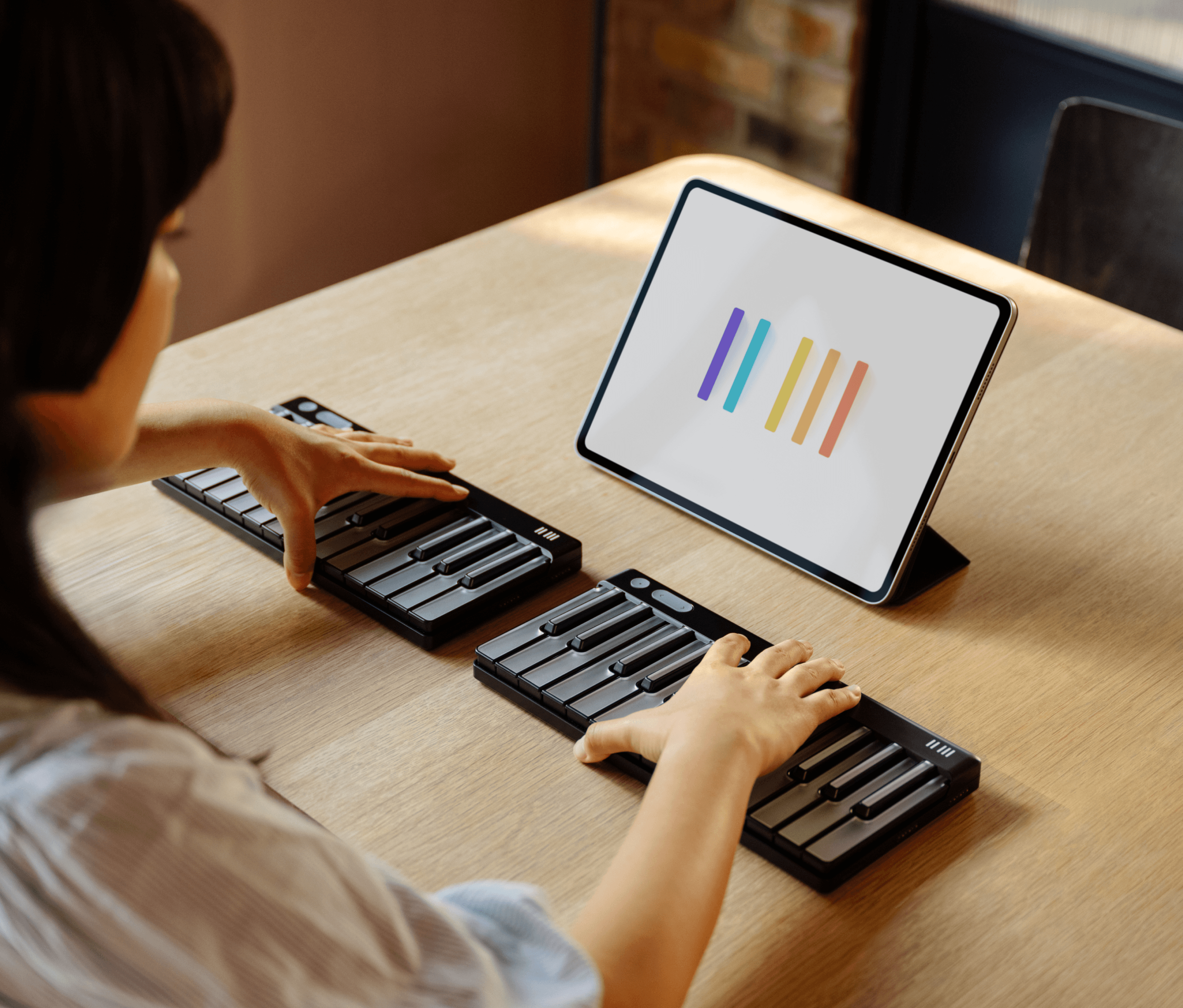
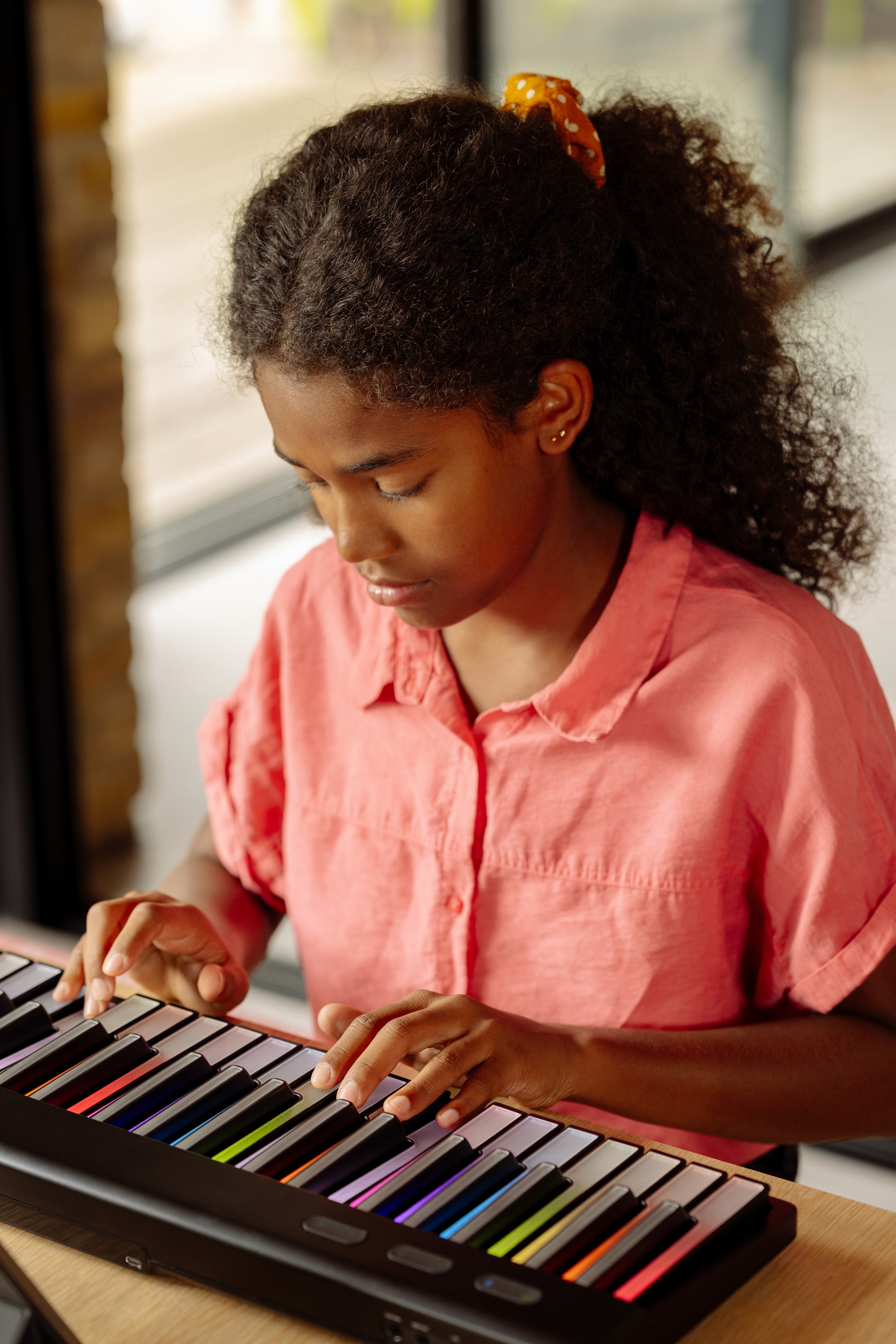
Balancing Dual Audiences: Create vs. Learn: A core challenge of this project was addressing the needs of two fundamentally different audiences. On one side, the Create audience—professional musicians, producers, and creators with formal training—demanded powerful, expressive tools delivered through a premium, design-led experience. On the other, the Learn audience consisted of absolute beginners seeking an intuitive, modern, and affordable way to start learning piano.
The Insight
In house Research
1. Audience Insights & Data Gathering
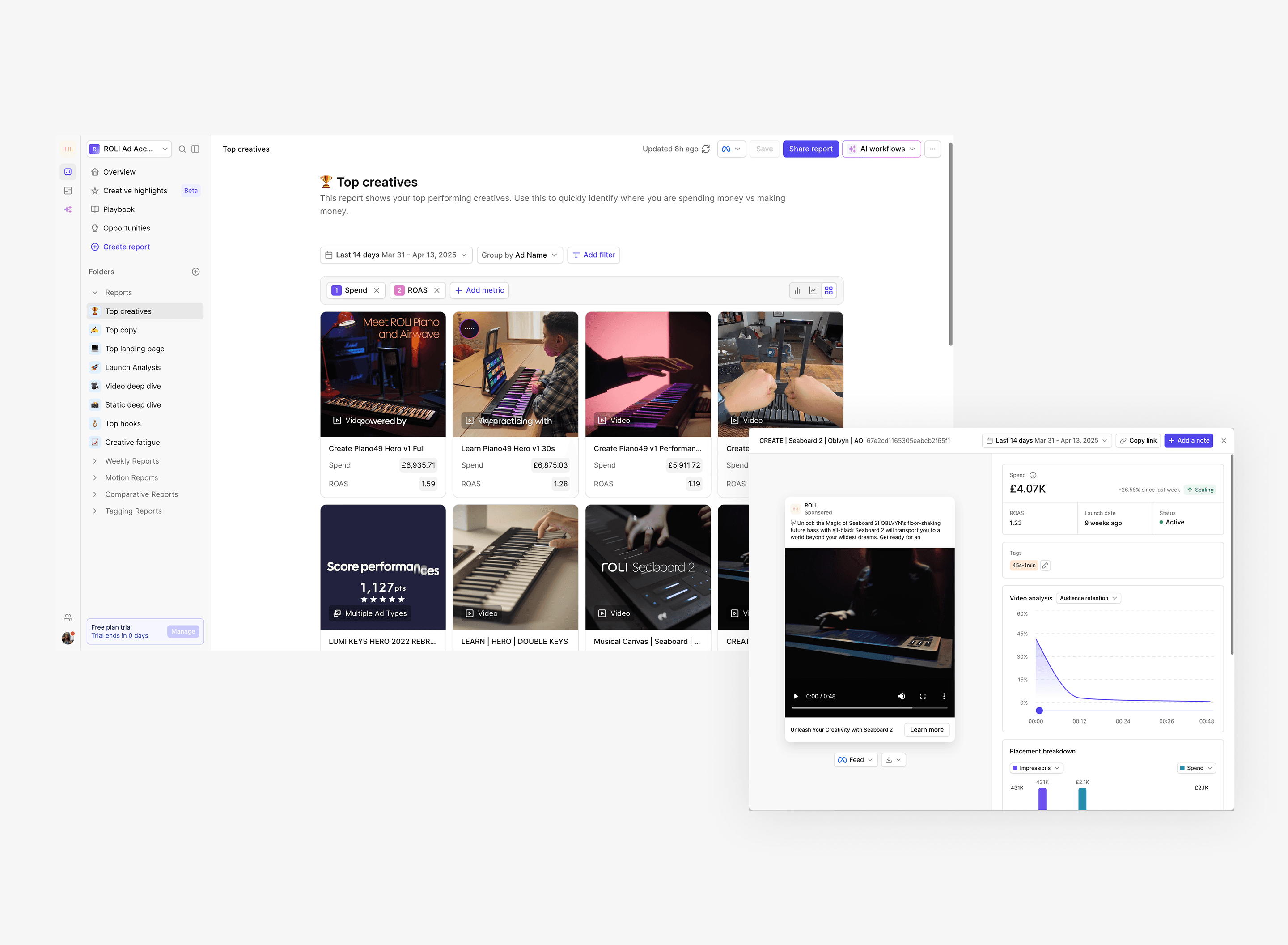
We conducted user interviews with both the "Create" and "Learn" audiences to uncover their unique goals and pain points. I also leveraged tools like Motion and Smartly to gather audience engagement data, providing a comprehensive view of brand perception and top-funnel metrics.
2. User Behaviour Analysis
Using Google Analytics, heat maps, and session recordings, I mapped user journeys, pinpointed drop-off points, and identified friction areas in navigation and content flow. This analysis helped prioritize the most impactful pages and features for each audience group.
3. Competitive Audit & Design
Review I led a competitive analysis of industry leaders like Nike, Yamaha, Peloton, and Yousician to understand their approaches to multi-audience design. Additionally, I audited ROLI's existing design components to identify inconsistencies in patterns, typography, colors, and design tokens.
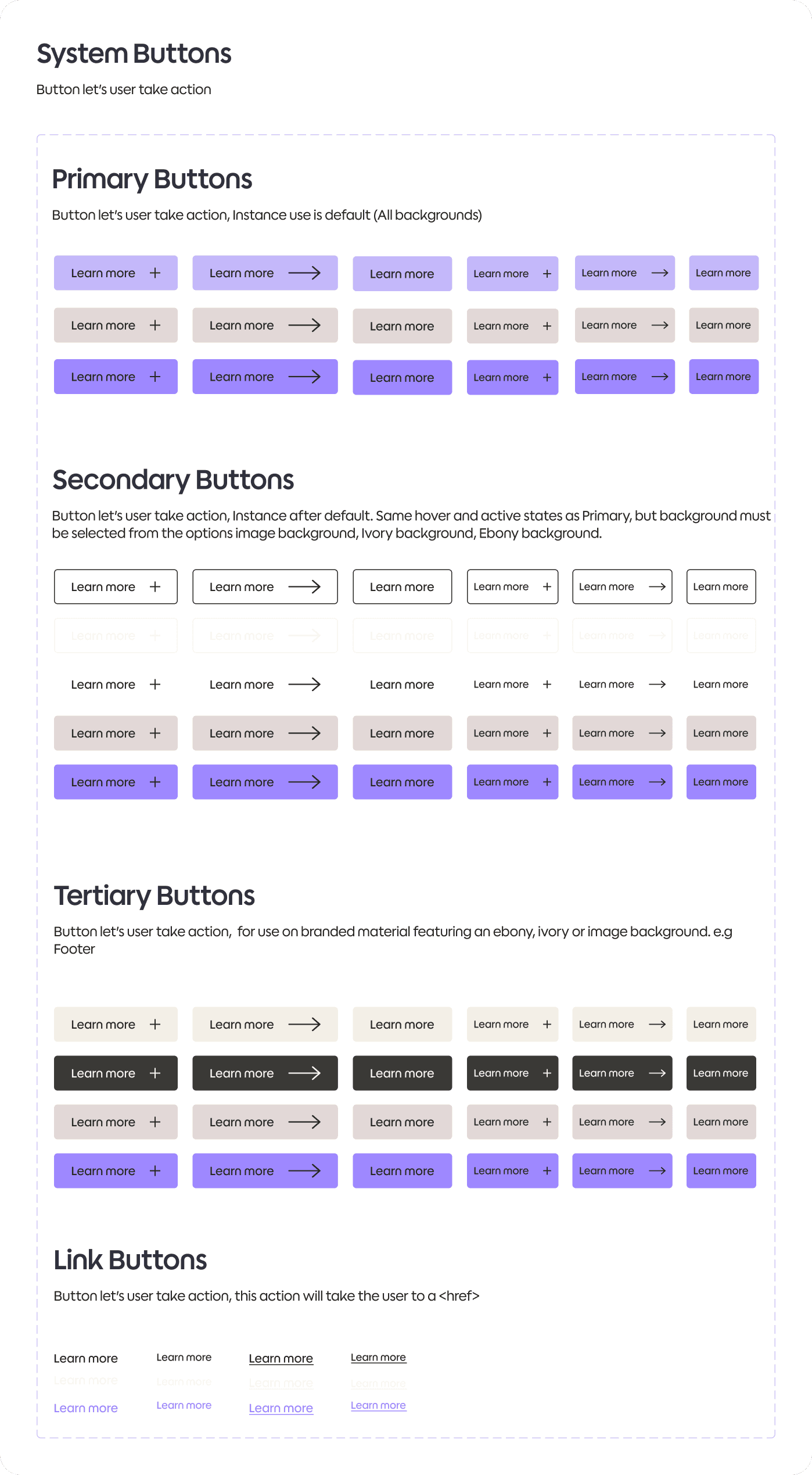
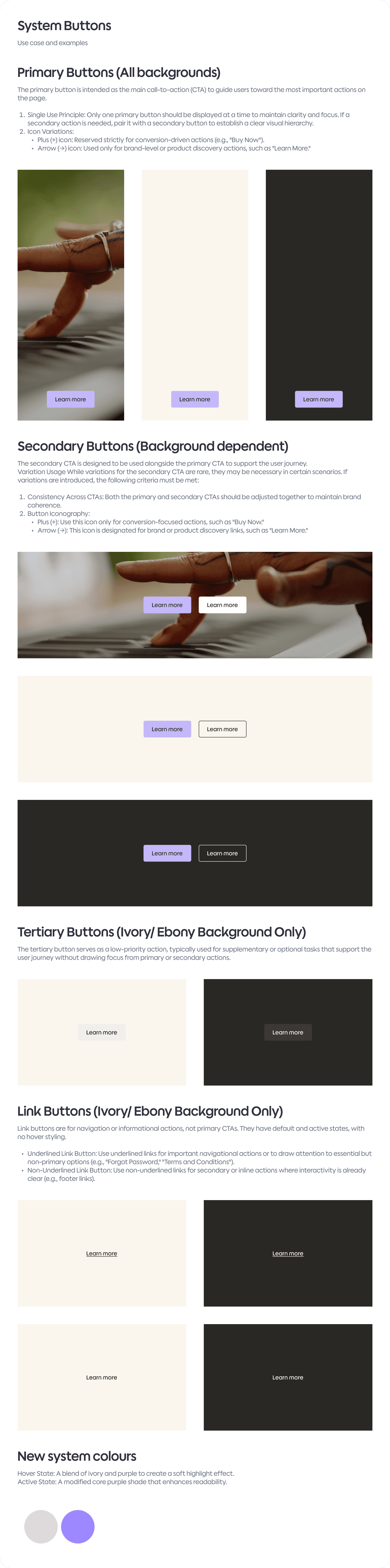
Method
Grids and type
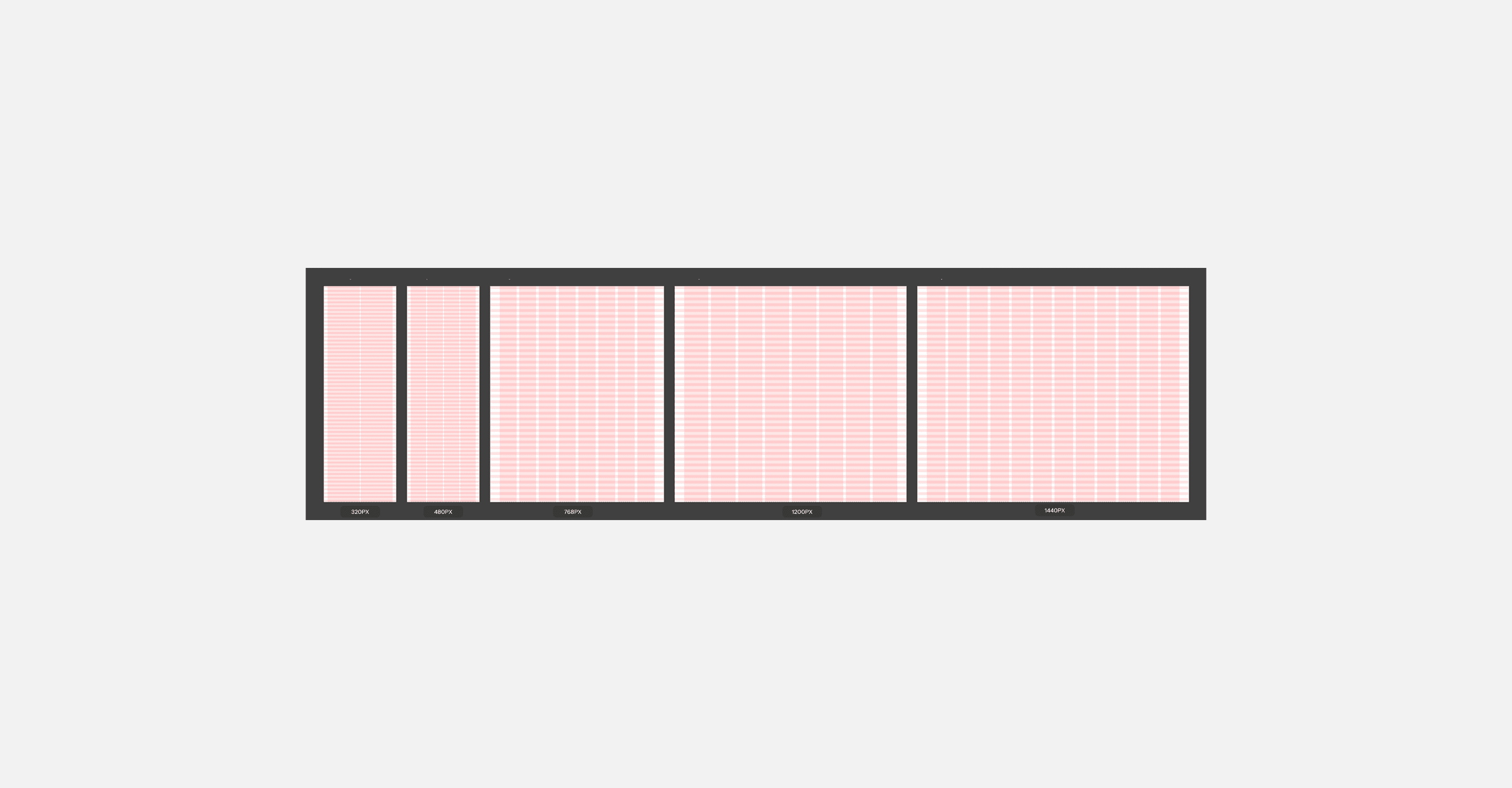
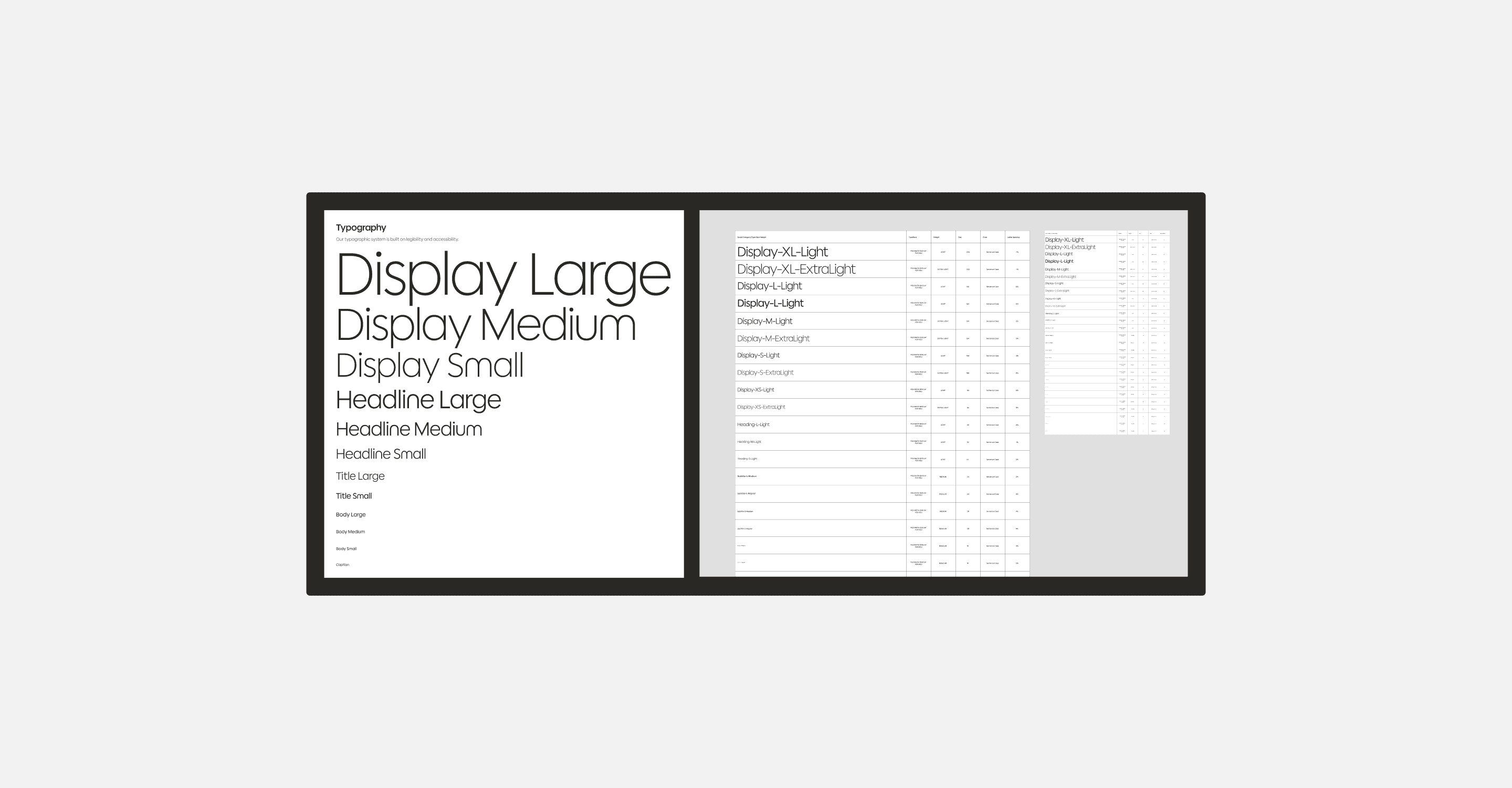
To ensure consistency and clarity across the interface, I built both the grid system and type scale using values divisible by 4. This shared baseline created a harmonious rhythm across layout, spacing, and typography — making the design more intuitive, readable, and developer-friendly. Aligning these systems helped maintain visual structure while supporting scalability across different screen sizes.
Method
Photography and film
(in app content)
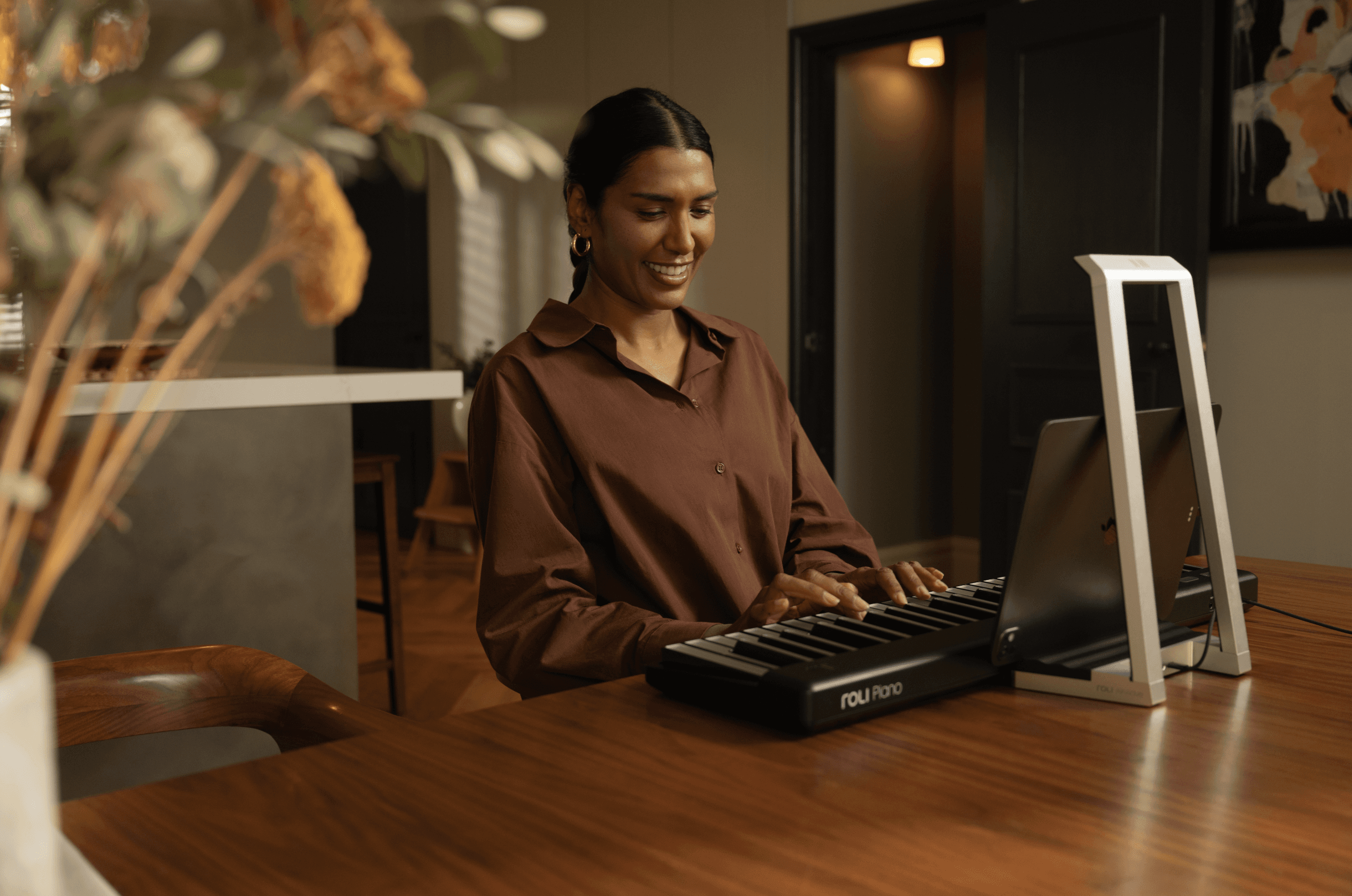
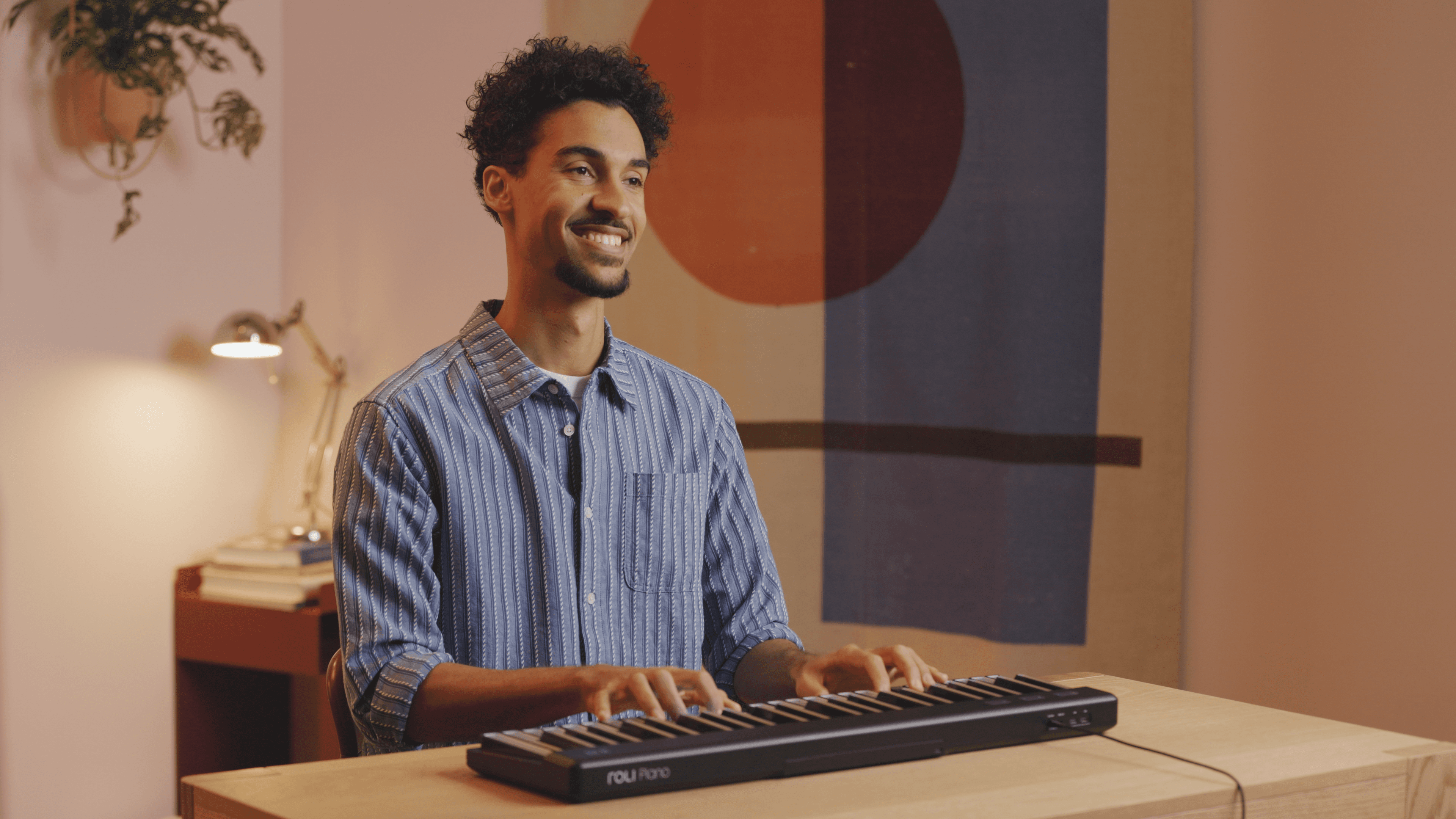
For in-app filming on ROLI Learn, I defined a visual approach that aligned with the brand’s warm and premium feel. I provided creative direction across framing, colour palette, set design, and location choices — favouring natural materials, soft lighting, and tonal backdrops to keep focus on the instrument and player. Grading was kept warm and balanced to maintain consistency across modules, while shot composition was carefully considered to feel human, clear, and engaging on small screens.
Method
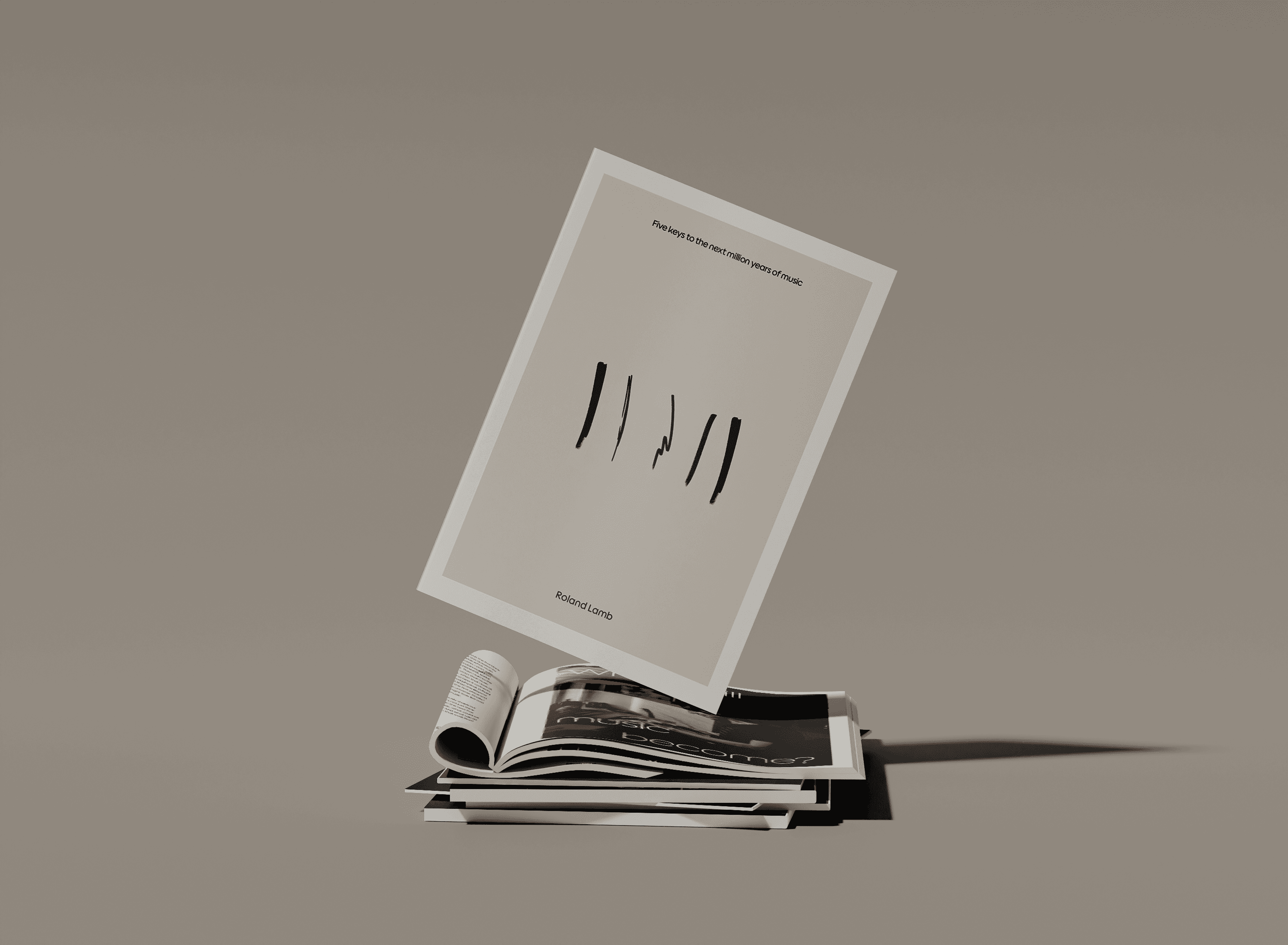
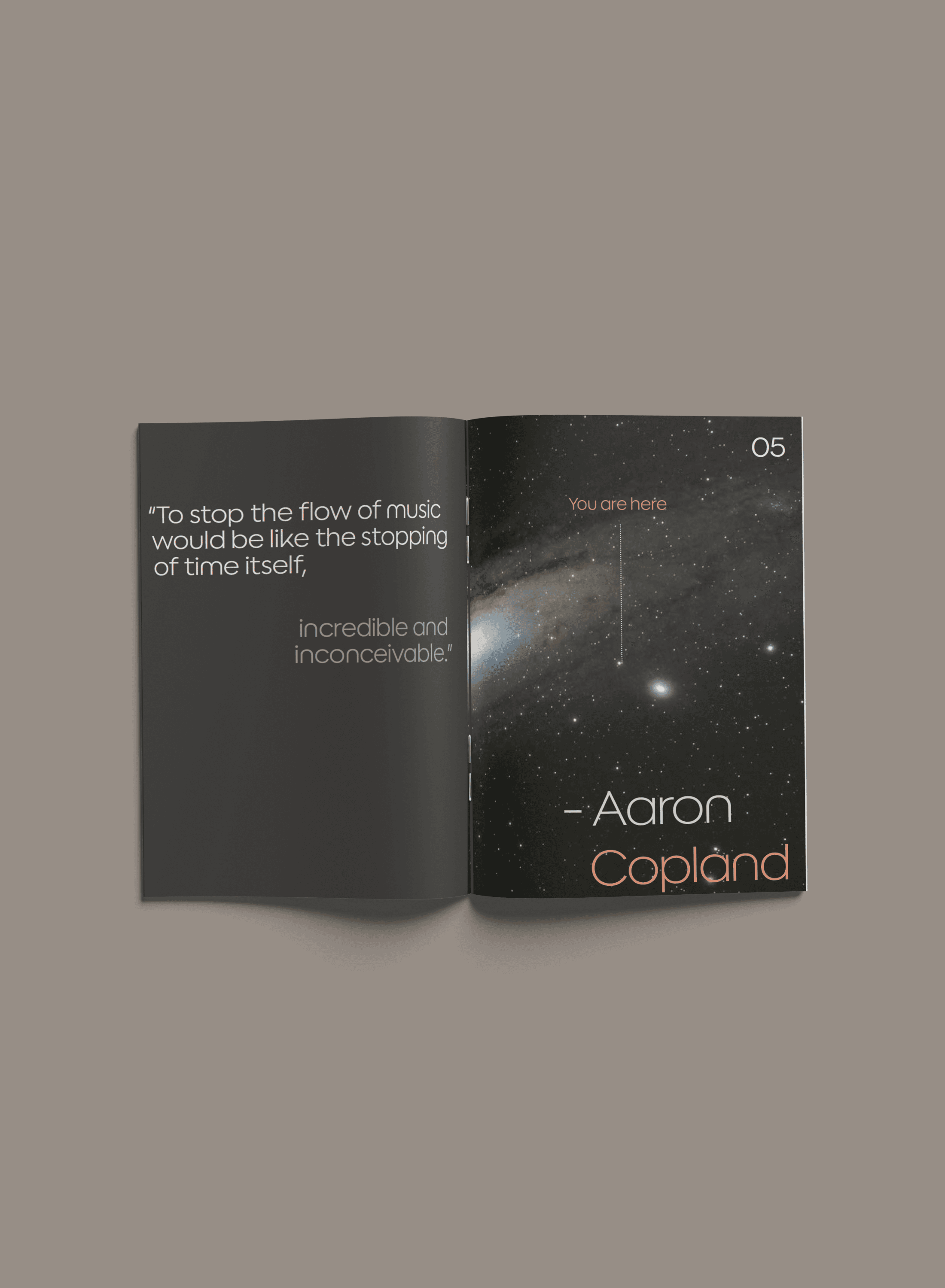
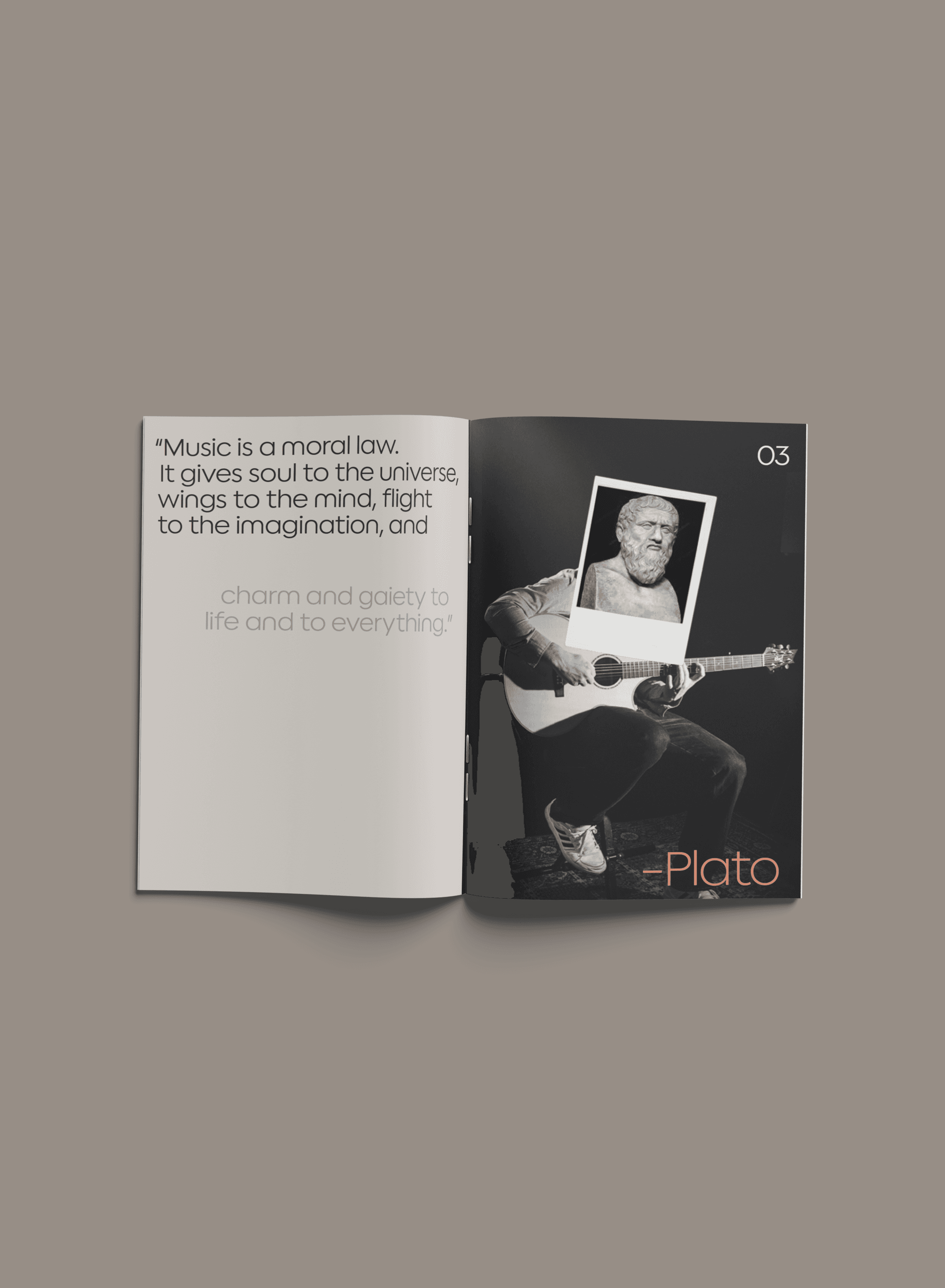
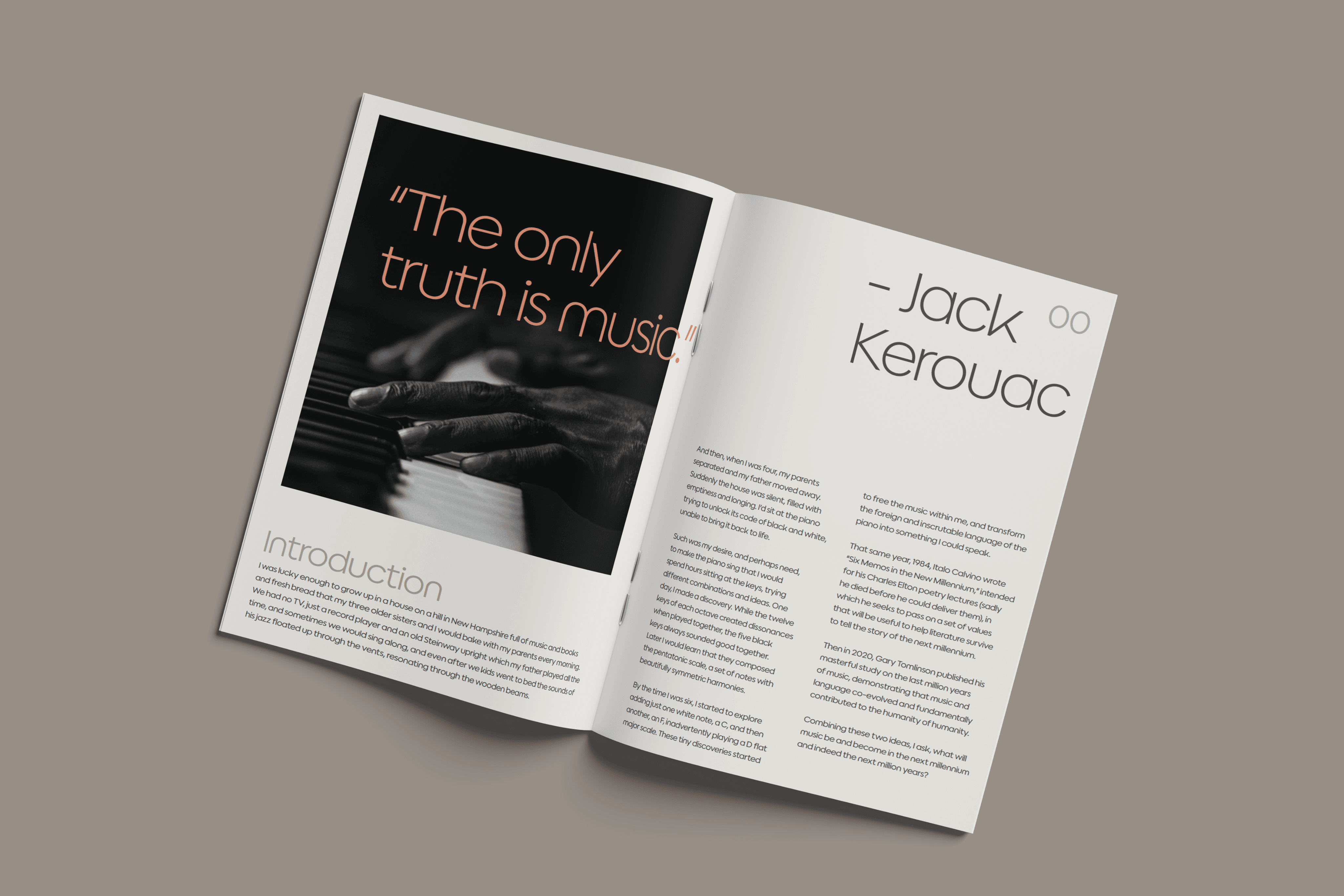
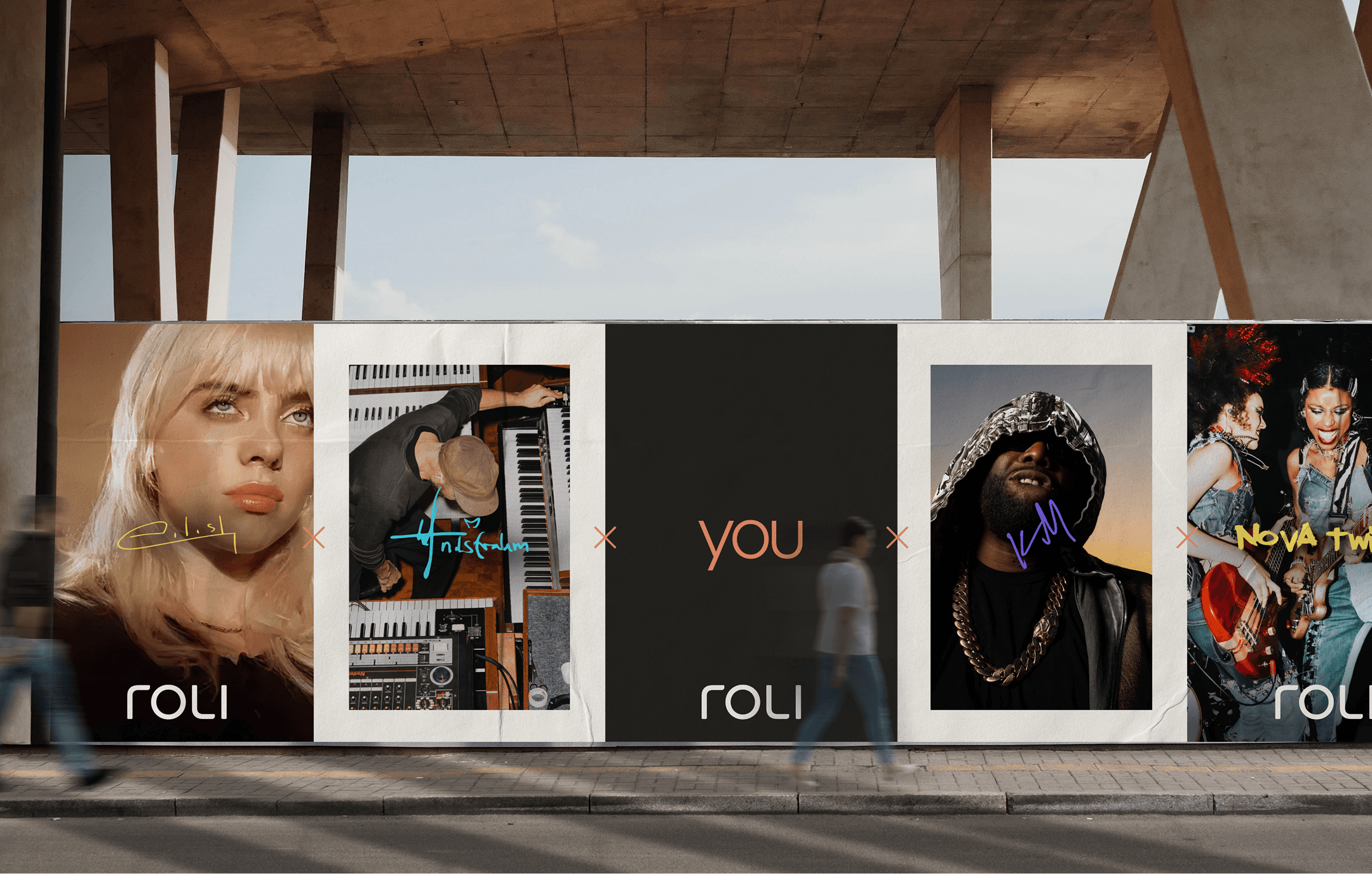
For print, my focus was on creating a sense of tactility and emotional connection — making Free the Music feel less like a slogan and more like a movement. I leaned into bold, expressive layouts and uncoated, textured stocks to give the materials a raw, physical quality. The aim was to evoke the energy of a manifesto — something you’d want to hold onto, pass around, or pin up. Print became a space to be more emotive and guerrilla, contrasting the polished feel of digital with something more visceral and immediate.